
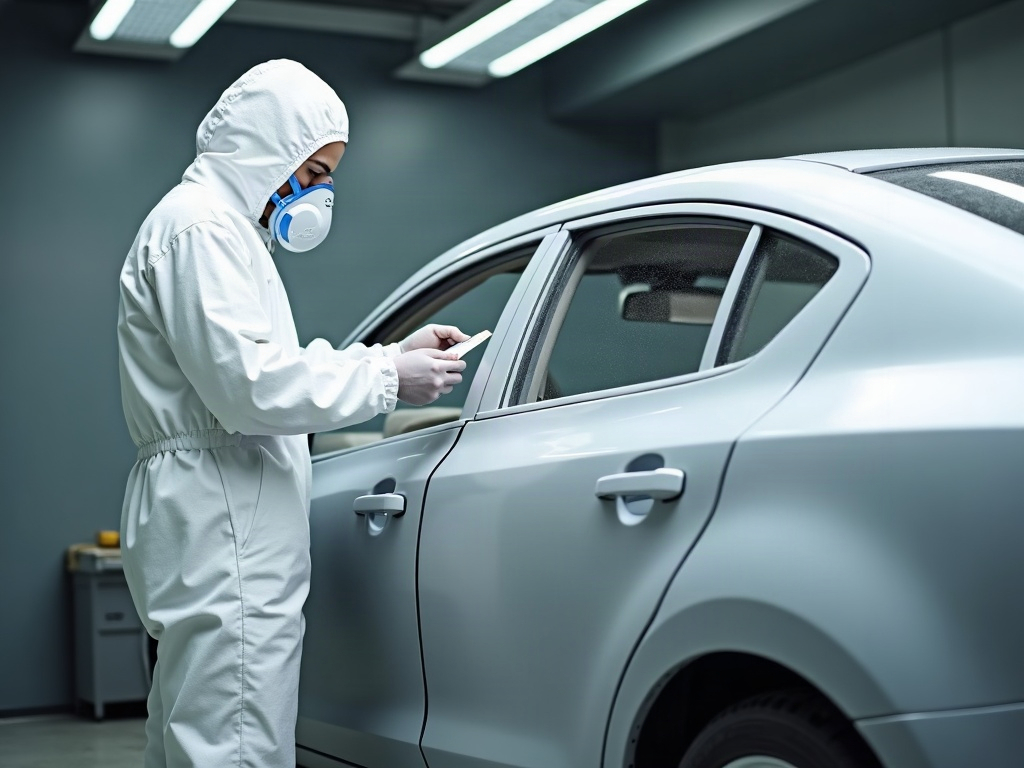
Car Color Matching After a Repair — Why the Paint Code on Your Door Jamb Is Just the Starting Point
The paint code in your door jamb tells us the formula — not the final color. Real auto body paint color match takes formula adjustments, test sprays, and a trained eye, because every car fades differently. Here's exactly what that process looks like.
Here’s something most body shops won’t tell you upfront: the sticker inside your door jamb is a starting point, not a finish line. That code gives us the original factory formula for your car color matching paint — but it says nothing about how your car has aged, how the clear coat has oxidized, or how the sun bouncing off the Burbank pavement has slowly shifted your finish over the years. Getting a panel to truly disappear into the rest of your car takes a few more steps than punching a code into a mixing machine. Let’s walk through them.
Why Car Color Matching Paint Is More Art Than Formula
Paint fades. Clear coat thins. UV exposure, car washes, and even the grit kicked up on the 5 Freeway near Burbank all alter the surface over time. A two-year-old silver Camry and a six-year-old silver Camry with the exact same paint code will photograph differently under the same light. That gap is what shops have to close — and it’s why why paint doesn’t match after repair is one of the most common frustrations we hear from drivers coming to us from Glendale, North Hollywood, Van Nuys, and all across Burbank.
The 6-Step Process We Actually Use
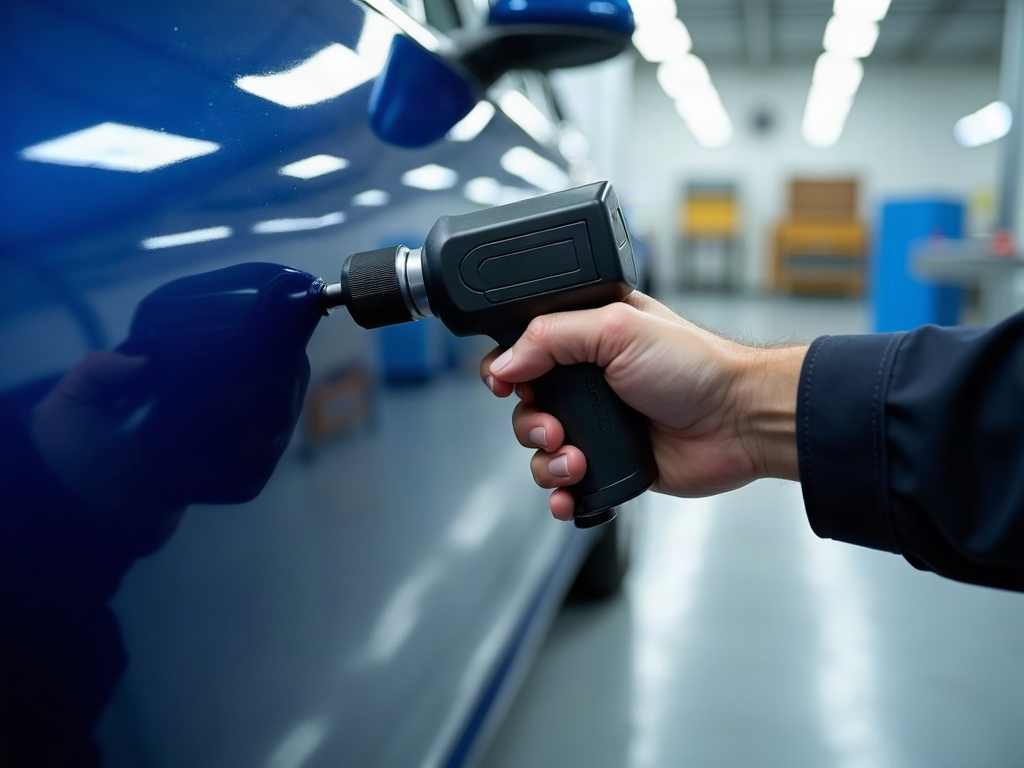
- Pull the paint code — but treat it as version 1.0. The code from your door jamb (or B-pillar, or glove box) gives us the base formula. It’s essential. It’s just not the whole story.
- Scan the existing paint with a spectrophotometer. This tool reads the actual color sitting on your car right now — not what left the factory years ago. It accounts for real-world fade and gives us a corrected starting formula. Think of it as the difference between reading a recipe and tasting the dish.
- Mix a test batch and spray a test card. We mix, spray a small card, and let it flash dry under the same conditions we’ll use on the car. Rushing this step is where a lot of shops cut corners — and where mismatches are born.
- Compare the card to your vehicle under multiple lights. Daylight, shop fluorescents, and an angled side-light all tell different stories. A match that looks perfect under one will show a ghost seam under another. We check all three before we touch your car.
- Adjust the formula if needed — sometimes more than once. Metallic flakes, pearl pigments, and tri-coat finishes (common on a lot of the cars we see from Studio City and Sherman Oaks) can require two or three formula tweaks before the test card truly disappears. This is normal. It’s called a paint formula adjustment, and it’s a sign the shop is doing the job right, not stalling.
- Blend into adjacent panels when necessary. Even a perfect color match can show a seam at certain angles. Blending — feathering the new paint into the neighboring panel — is how we make the repair genuinely invisible. It’s standard on any high-quality job and something you should ask about before signing any estimate at a paint code body shop.
A good color match isn’t about spraying what the code says. It’s about reading what your specific car, on this specific day, actually needs.
When to Insist on a Pro (Not Just Anyone With a Spray Gun)
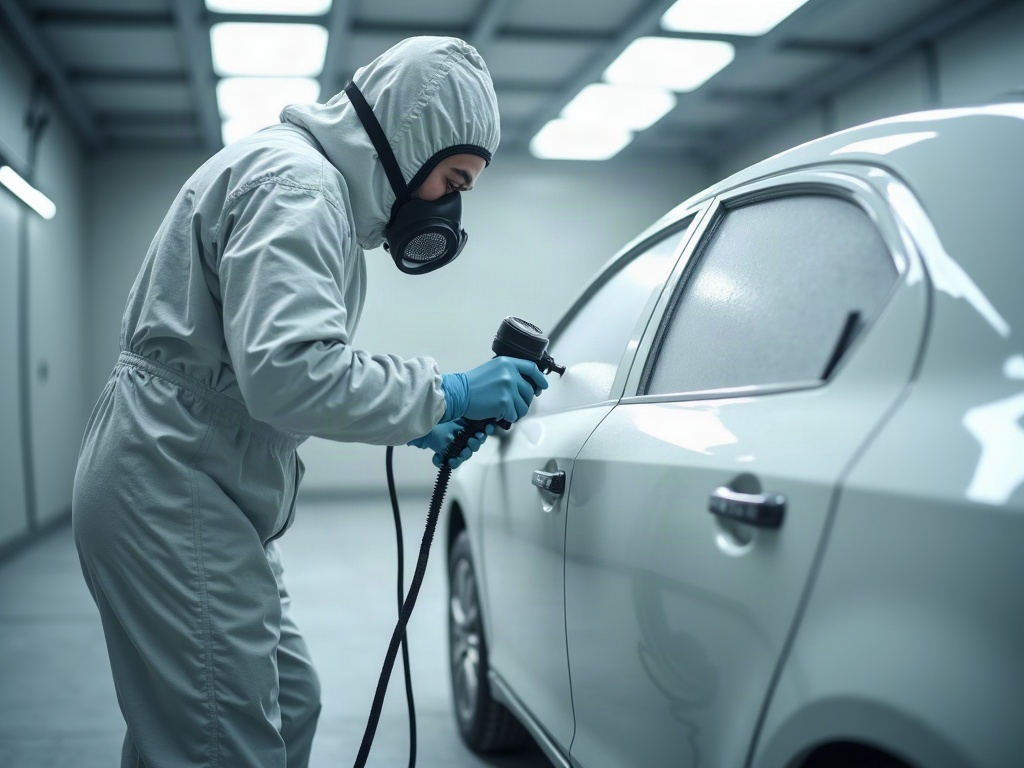
If you’re dealing with a pearlescent, tri-coat, or factory special-edition color — the kind that shifts hue as you walk around the car — or if the damaged panel sits right next to a large, highly visible surface like a hood or a door, don’t gamble on a shop that doesn’t have spectrophotometry equipment and a proper downdraft spray booth. The difference shows. According to the Inter-Industry Conference on Auto Collision Repair (I-CAR), proper color-matching technique is one of the most frequently undertrained skills in the industry — which is exactly why it’s worth asking a shop directly how they handle formula adjustments before you commit.
At our shop, we’ve been doing this in Burbank long enough to know that a fast match and a real match aren’t the same thing. If your car came back from a repair with a visible seam or a panel that looks slightly off in sunlight — that’s not something you should have to live with. Read more about what actually happens after you drop your car off so you know exactly what to expect, step by step. Then get in touch with Business name and let us take a look — no obligation, no pressure, just a straight answer about what your car actually needs.